

Why Fitness Businesses Often Outgrow Their Insurance Without Noticing
The quiet gap between what your policy was written for and what your business looks like today
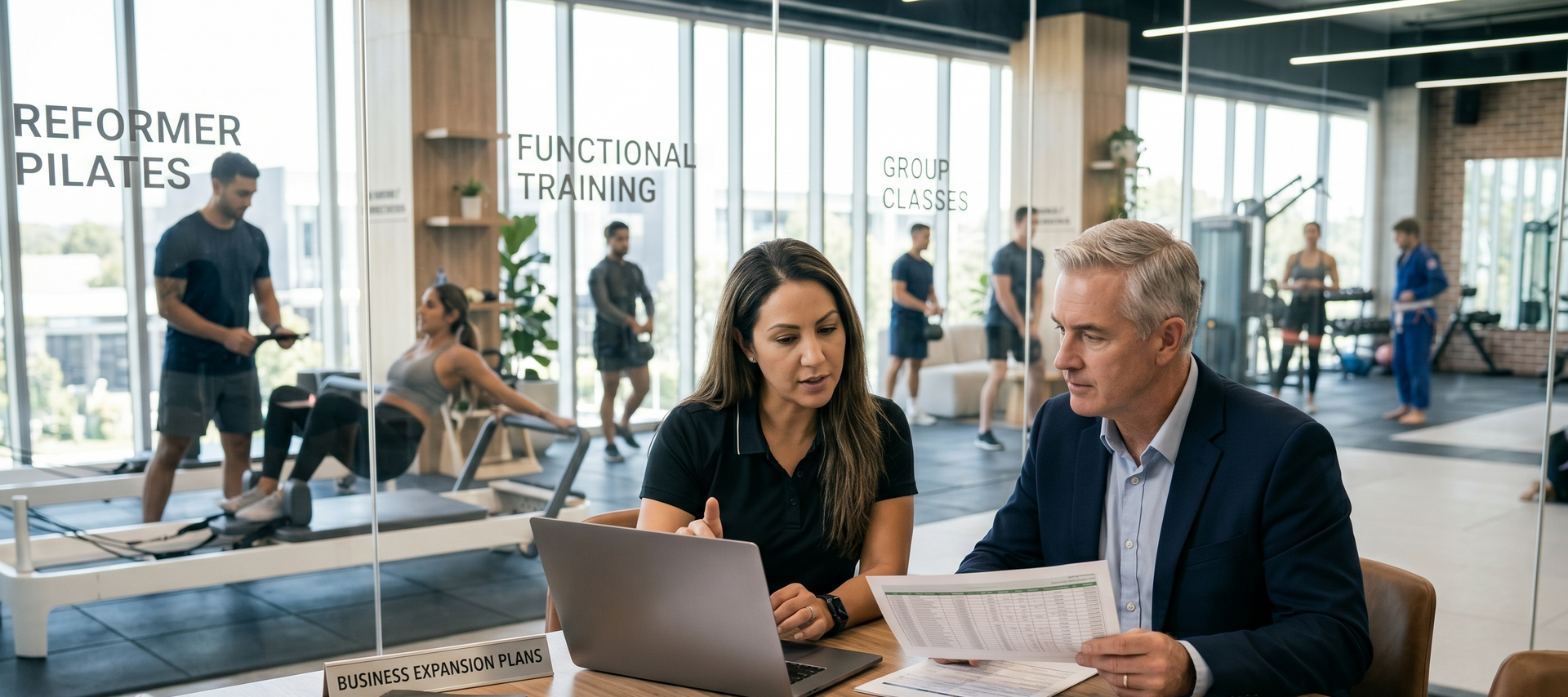
When a fitness business is growing, insurance tends to get less attention, not more. You're focused on the new clients, the new class formats, the new space, the new staff. The policy that was set up when you were a sole trader with twelve clients gets renewed each year without much thought — until something happens and you discover that the business it describes doesn't quite match the one you're running.
This is one of the most common insurance problems we encounter, and it's entirely preventable. It doesn't require anything complicated — just the habit of reviewing your policy against your current situation at each renewal, and communicating changes to your broker as they happen.
The New Service That Changes Your Risk Profile
You started as a personal trainer. You added small group training. Then you started running nutrition coaching sessions. Then you brought in a yoga instructor to cover an additional class. Each of these additions changes your risk profile in ways that your original policy may not have been designed to cover.
This isn't a hypothetical sequence — it's a fairly common growth pattern for fitness professionals who build their offering over time. The nutrition coaching introduces professional advice liability that's different from physical training. The yoga instructor raises questions about whether your policy extends to another person delivering services under your umbrella. The small group classes change the supervision dynamic.
Each change is worth a conversation with your broker, not because each one necessarily requires a different policy, but because the combination over time can create a significant gap between what's covered and what you're doing.
New Premises or Locations
Fitness businesses often start in one location and expand over time. A second venue. A pop-up class at a community centre. Outdoor sessions at a new park. If your policy lists a specific premises and you've added locations, those additional locations may not be covered without an explicit update.
This is a straightforward fix — it just requires the conversation. The problem is that many operators don't think to have it because they assume their existing policy follows them wherever they go. It doesn't always.
Additional Staff and Contractors
The movement from sole trader to employer — or from sole practitioner to someone who brings in contractors to deliver services — changes your insurance picture. Employer liability, workers compensation (which is mandatory for employees in all Australian states and territories), and the question of whether a contractor's activities fall under your policy or require them to carry their own insurance are all relevant.
If you've added staff or contractors and haven't reviewed your insurance accordingly, this is worth addressing.
Underinsured Equipment
Equipment values change. New equipment is added. Original values become outdated. If you're still working from the equipment schedule you put together five years ago, the value of what you're insuring probably doesn't reflect what you actually own.
A simple annual check — walk through your facility with the declared equipment values in mind and ask whether what you'd need to replace everything is approximately covered — takes twenty minutes and may identify a gap.
The Annual Review Habit
The practical answer to this problem is an annual insurance review that's treated as a real business event, not just a premium payment exercise. Walk through your policy with your broker, explain what's changed in your operation over the past twelve months, and let them tell you whether the cover still fits.
This is something we do proactively with clients because we know that growing businesses change faster than their insurance often reflects. If you haven't had this conversation recently, contact us at fitnessinsurances.com.au and let's take a look.
Disclaimer:
This article contains general information only and does not constitute financial advice or a recommendation for any specific insurance product. Your insurance needs depend on your individual circumstances. Please speak with a qualified insurance professional before making decisions about your coverage.