

The Personal Trainer Who Works Outdoors: Why Your Insurance Situation Is More Complicated Than You Think
Working in parks, on beaches, and in client homes creates a different set of insurance questions than a studio based practice
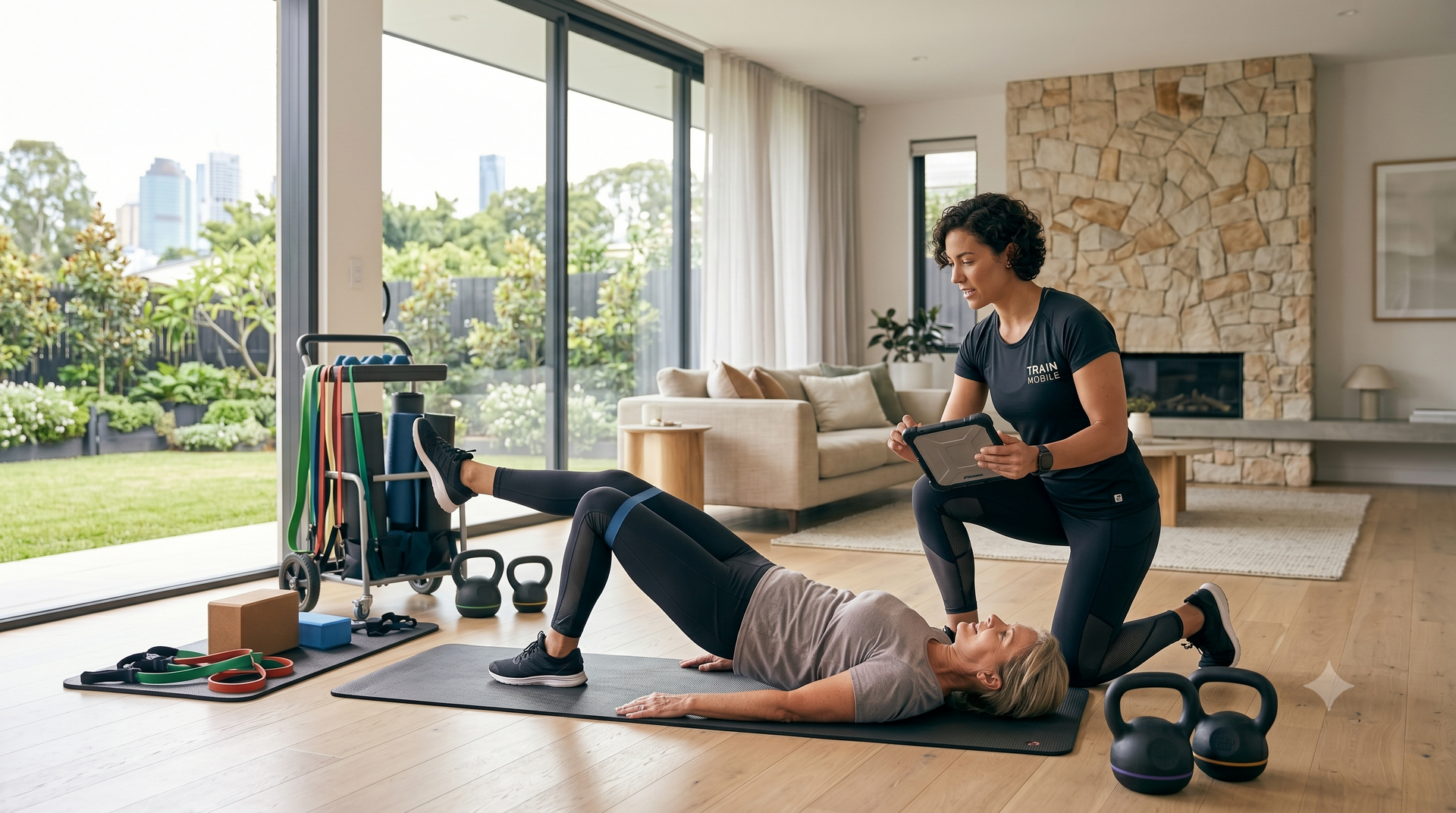
Outdoor personal training is one of the most accessible ways to start a fitness business in Australia. No studio lease, low overhead, flexible scheduling. For a lot of trainers, it's how they build their client base before moving into a facility.
It's also a setting where the insurance questions are genuinely more complex than most outdoor trainers have thought through. Not because the risks are dramatically higher, but because the environment is less controlled and the variables are more numerous.
You Don't Control the Environment
In a gym or studio, you have a degree of control over the physical environment. The floor surface, the equipment condition, the temperature, the hazards. Outdoors, you control almost none of this. You're training clients on ground that might be uneven, wet, or occupied by other park users. There's no control over who else is around, what the surface is like that day, or what environmental conditions your client will be working in.
This matters for liability. If a client rolls an ankle on an uneven surface while doing an exercise you programmed on a surface you chose, questions about your decision-making are relevant. A studio trainer programming the same exercise on a known, level surface is in a different position.
This isn't a reason to avoid outdoor training — it's a reason to think carefully about how you select locations, how you assess conditions before training begins, and how you document those decisions.
Council Permits and Insurance Requirements
Many local councils in Australia require personal trainers operating in public parks to hold a permit and to carry a minimum level of public liability insurance, often with the council named as an additional interested party. The specific requirements vary by council, but the principle is consistent.
If you're operating in a public park without the relevant permit, you may be training illegally — and in the event of an incident, both the regulatory non-compliance and the absence of proper insurance become relevant. Checking the requirements of the specific councils where you work is a basic step that many outdoor trainers haven't completed.
Some councils also require that your insurer is approved and that the policy meets specific standards. The certificates of currency you provide need to accurately reflect your actual coverage.
Client Homes and Private Spaces
Personal trainers who work in client homes add another dimension to the insurance question. You're on someone else's property, with their furniture and belongings nearby, and in a space that hasn't been assessed for exercise safety. If your client damages their own property while training, or if equipment you bring causes damage, the question of responsibility isn't always simple.
Public liability insurance generally extends to your activities at client locations — but the specific wording of your policy should confirm this. Some policies are written with the premises listed as a specific location, and 'wherever I happen to be working' is a different thing.
Equipment Liability
Outdoor and mobile trainers often carry equipment — resistance bands, kettlebells, agility ladders. If a piece of equipment fails or is used in a way that injures a client, the question of product liability and professional conduct both become relevant. Equipment should be in good condition, appropriate for outdoor use, and used in accordance with its intended purpose.
Professional Indemnity for Instruction and Advice
Every personal trainer gives advice — about technique, programming, nutrition, and lifestyle. Professional indemnity insurance responds to claims that arise from that advice when clients allege it caused harm. Outdoors, in informal settings without the documentation structure of a gym, the informality of the relationship can sometimes make it easier for a client to allege that advice was given without the boundaries being clear.
Maintaining clear records of what was programmed, what advice was given, and what the client's goals and health status were is good professional practice regardless of setting — and it's especially important in informal outdoor environments.
Getting This Right Before You Start
If you're an outdoor or mobile personal trainer, we can help you understand what coverage is appropriate for your specific operating model — including council permit requirements, equipment considerations, and the professional indemnity question.
Contact us at fitnessinsurances.com.au or call 03 8201 9908.
Disclaimer:
This article contains general information only and does not constitute financial advice or a recommendation for any specific insurance product. Your insurance needs depend on your individual circumstances. Please speak with a qualified insurance professional before making decisions about your coverage.