

Running a 24/7 Unstaffed Gym: What Changes About Your Insurance When No One's Watching
The specific risks that come with unstaffed access and why your insurer needs to know about them
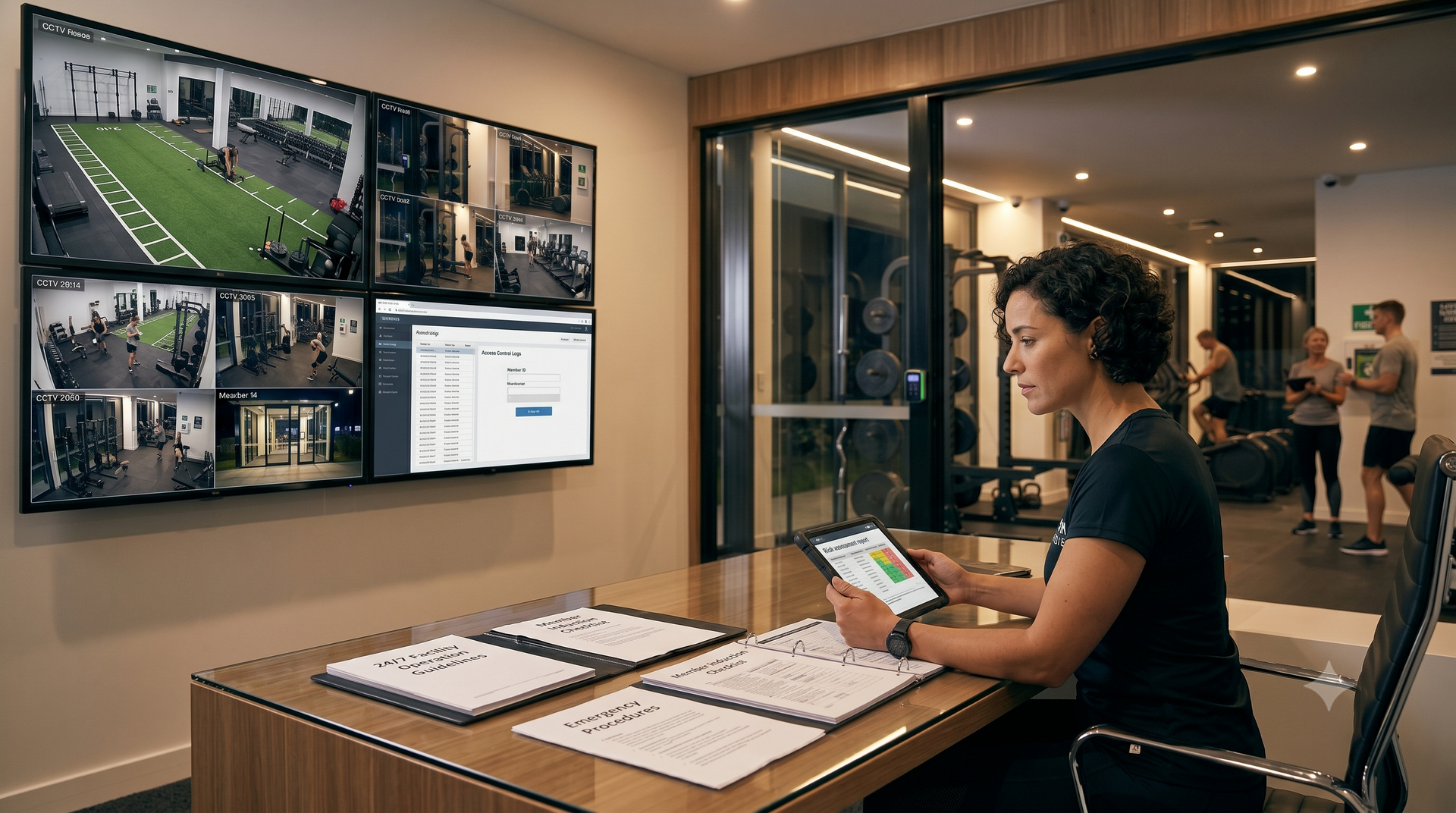
Unstaffed 24/7 gyms have become a significant part of the Australian fitness landscape. The model makes commercial sense — lower labour costs, expanded access hours, consistent revenue from members who use the facility outside traditional staffed hours. For a lot of gym owners, it's been a genuine game-changer.
It's also a model that carries specific insurance considerations that not every gym owner has fully thought through. When someone is injured in your facility at 3am and there's nobody there, the circumstances of that incident are different from an injury during a staffed class. Those differences affect your liability exposure and how your insurance should be structured.
The Supervision Question
Duty of care doesn't disappear when your last staff member locks up and the access control system takes over. As the facility operator, you have ongoing obligations to members who access your gym. The question of what constitutes reasonable precautions in an unstaffed environment is genuinely different from a staffed one, but it doesn't vanish.
What this means practically is that your policies around who can access the facility matter. Age restrictions, induction requirements before a member is given 24/7 access, rules about guests and non-members, and emergency procedures are all relevant to your liability position. They're also relevant to how an insurer assesses your risk.
The Emergency Response Gap
In a staffed gym, if a member has a cardiac event or a serious injury, there's someone present to call emergency services and administer first aid. In an unstaffed facility at 2am, the response depends entirely on the member themselves or other members who happen to be present. For operators, ensuring adequate emergency response capability in an unmanned environment is both a legal consideration and a duty of care issue.
What are your obligations? At minimum: clearly displayed emergency contact information, functional first aid equipment accessible to members, and in many cases, an automated external defibrillator with clear instructions. Some jurisdictions have specific requirements for 24/7 gyms — knowing what applies in your state or territory is important.
From an insurance perspective, demonstrating that you've taken reasonable precautions for emergency situations in an unstaffed facility is part of what shapes your liability position.
Disclosure Is Critical
If your gym operates with unstaffed periods and your insurer doesn't know about it, you have a disclosure problem. Insurance policies are based on an accurate picture of what you're insuring. A gym that operates staffed only during business hours and a gym that provides 24/7 member access are different risks, and the policy needs to reflect what you actually operate.
Undisclosed material facts — including the operating model of your business — can affect the validity of your policy. This is not theoretical. If something goes wrong during an unstaffed period and you haven't properly disclosed that model to your insurer, the claim conversation is going to be more complicated than it
should be.
Technology, Cameras, and Member Safety
Most 24/7 gym operators use some combination of access control technology, CCTV monitoring, and in some cases remote monitoring services. These don't substitute for the duty of care obligations we've discussed, but they're part of a reasonable approach to managing risk in an unstaffed environment.
Having camera footage can also be practically important when incidents occur and questions are raised about what happened. It's worth knowing what your retention settings are and whether footage is stored long enough to be useful if a claim is made weeks after an incident.
Having the Right Conversation With Your Insurer
We work with fitness operators who run everything from fully staffed boutique studios to large 24/7 unmanned facilities. The insurance approach for each is different, and we help operators understand what their specific model requires.
If you run a 24/7 gym and you're not certain your current policy fully accounts for that operating model, this is a conversation worth having before something goes wrong. Contact us at fitnessinsurances.com.au to discuss your situation.
Disclaimer:
This article contains general information only and does not constitute financial advice or a recommendation for any specific insurance product. Your insurance needs depend on your individual circumstances. Please speak with a qualified insurance professional before making decisions about your coverage.