

Pilates and Yoga Studios: The Insurance Questions That Come Up When Your Clients Are Vulnerable
Working with people in recovery, with chronic conditions, or post injury creates a specific responsibility and a specific coverage question
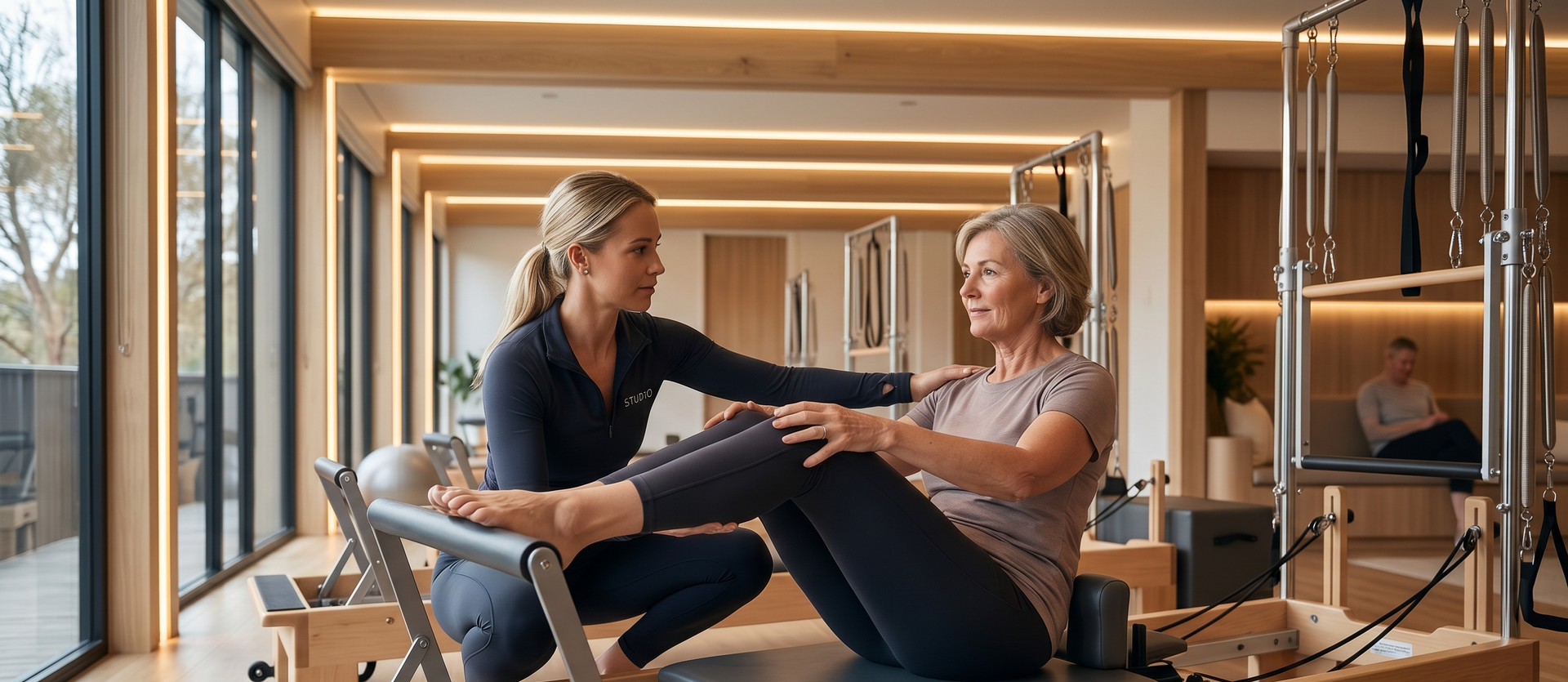
Pilates and yoga studios occupy a unique position in the fitness landscape. They attract a client base that often includes people recovering from injury, managing chronic pain, dealing with postural dysfunction, or working through the physical consequences of conditions like osteoporosis, arthritis, or post-surgical recovery.
This is one of the reasons these modalities have real value in people's lives. But it also means the instructor is often working with clients who carry more vulnerability than a healthy twenty-five-year-old athlete. That vulnerability has implications for how sessions are conducted — and for how your professional liability exposure should be understood.
The Line Between Fitness Instruction and Healthcare
This is where pilates and yoga instructors sometimes find themselves in genuinely uncertain territory. A client with a recent hip replacement comes to your studio. A physiotherapist has recommended pilates as part of their rehabilitation. You're not the physio — you don't have a clinical scope — but the client is relying on your sessions as part of their recovery.
What happens if they're injured during a session? The question of whether you acted within your scope of practice, whether you had adequate information about their condition, and whether your programming was appropriate for someone in their situation all become relevant. These questions go to professional indemnity — the type of claim that arises from your professional judgement, not just from an accident on your premises.
Being clear about your scope, maintaining good communication with any treating practitioners, and keeping thorough records of what you knew about a client's condition and what you programmed for them is the practical response to this uncertainty.
Equipment and Apparatus
Reformers, cadillacs, chairs, barrels, resistance apparatus — pilates equipment is both expensive and physically substantial. If a piece of equipment malfunctions during a session and a client is injured, the question of equipment maintenance, the condition of the apparatus, and any prior knowledge of a defect are all relevant.
Contents and equipment insurance covers the physical value of your apparatus. Public liability covers the injury that results from its failure. Both matters should be addressed in your insurance program. Regular equipment maintenance records are worth keeping — both for the safety benefit and for the documentation value if questions ever arise.
The In-Home Teaching Scenario
Many pilates and yoga instructors conduct sessions in client homes, particularly with clients who have mobility limitations or who prefer the privacy of their own space. As with outdoor personal trainers, working on a client's property rather than your own controlled environment introduces variables you can't fully manage.
Your public liability insurance should extend to the locations where you actually teach. If you work regularly in client homes, verify that your policy reflects this rather than assuming it does.
Studio Ownership: Where Personal and Business Risk Meets
If you own or lease a studio space, your insurance picture extends beyond the professional liability questions to include your physical premises. Contents, equipment, business interruption, and public liability for your premises are all relevant. The specific requirements depend on whether you own or lease, what improvements you've made to the space, and what equipment you hold.
We see pilates studio operators in particular who have significantly underinsured their equipment because the replacement value of reformer apparatus wasn't accurately reflected in their original policy. Equipment values should be reviewed regularly — particularly if you've added apparatus or if prices have changed.
Having the Right Conversation
Pilates and yoga studio insurance is not a one-size-fits-all conversation. The right approach depends on whether you're a sole practitioner working with general wellness clients or a clinical studio working with post-surgical rehabilitation clients, whether you employ staff, own your premises, use high-value equipment, or teach in multiple locations.
Contact us at fitnessinsurances.com.au and we'll work through your specific situation and what cover makes sense for it.
Disclaimer:
This article contains general information only and does not constitute financial advice or a recommendation for any specific insurance product. Your insurance needs depend on your individual circumstances. Please speak with a qualified insurance professional before making decisions about your coverage.