Why Public Liability Insurance Is Essential for Fitness Studios and 24/7 Gyms
Understanding Real Liability Exposure Beyond “Basic Cover”
Public liability insurance is often described as “basic cover” for fitness businesses. Despite this, it remains one of the most misunderstood and incorrectly structured insurance policies across gyms, studios, and 24/7 fitness facilities in Australia.
Many operators assume public liability insurance automatically covers anything that happens on-site. In reality, public liability policies are highly specific. They respond only when the circumstances of an incident align precisely with the declared activities, operating model, and policy wording.
For fitness businesses—particularly those operating extended hours or unstaffed access models—this distinction is critical.
This article explains why public liability insurance is essential for fitness studios and 24/7 gyms, where common coverage gaps occur, and how specialist guidance helps ensure actual protection rather than assumed protection.
What Public Liability Insurance Actually Covers
Public liability insurance is designed to protect a business against claims made by third parties for:
- Personal injury
- Property damage
These claims must arise from the business’s premises, operations, or declared activities.
In a fitness context, this typically includes injuries sustained by:
- Members
- Visitors
- Contractors or service providers
Examples of insurable events may include:
- A member slipping on a wet studio floor
- Injury caused by faulty or poorly maintained equipment
- Damage to third-party property resulting from business operations
Coverage is never unlimited or unconditional. The policy only responds if the activity involved has been properly disclosed and accepted by the insurer.
Why Fitness Businesses Face Higher Liability Exposure
Fitness environments combine physical exertion, shared spaces, equipment usage, and varying supervision levels. This creates a higher frequency of incidents than many other commercial settings.
Key exposure factors include:
- Free weights and resistance machines
- High member foot traffic
- Mixed experience levels
- Group classes and instruction
- Fatigue and overexertion risks
- After-hours or unstaffed access
For 24/7 gyms, the absence of on-site supervision during certain hours significantly increases the importance of correctly structured public liability insurance.
The Hidden Risk of “Assumed Coverage”
One of the most common causes of denied or disputed fitness insurance claims is assumed coverage.
Insurers assess liability risk based on:
- Declared activities
- Facility type and layout
- Staffing and supervision model
- Hours of operation
- Member demographics
If an incident involves an activity that was not properly declared—such as functional training, boxing, sparring, strength coaching, or boot camps—the insurer may reduce or decline the claim.
This is where specialist insurance structuring becomes essential.
Public Liability and 24/7 Gym Operations
Unstaffed or partially staffed gyms present unique challenges from an insurance perspective.
Key considerations include:
- Member access outside staffed hours
- Emergency response limitations
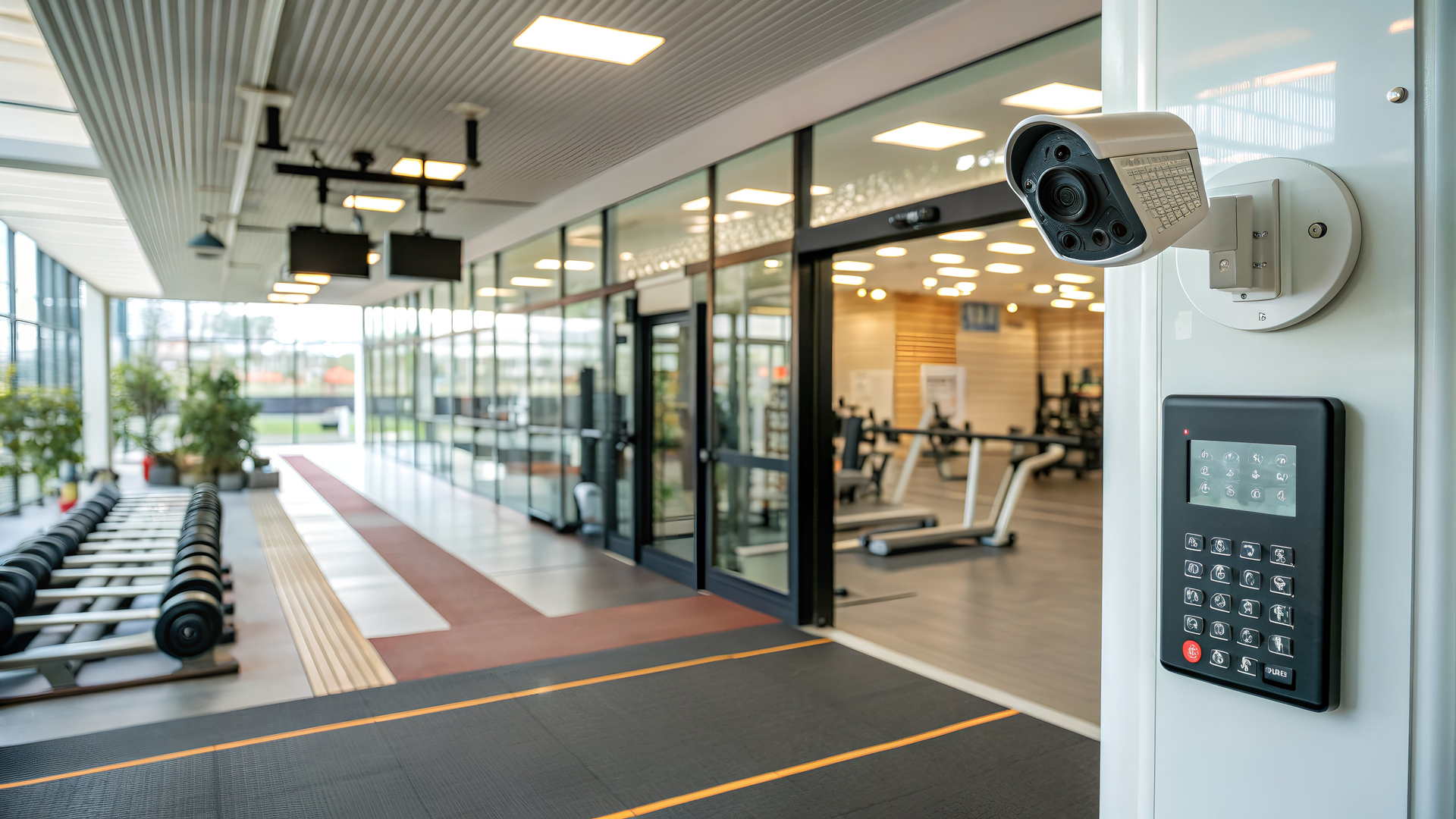
- Reliance on CCTV and electronic access controls
- Reduced supervision during overnight periods
Insurers may impose:
- Higher premiums
- Specific exclusions
- Mandatory safety protocols
- Conditions around access systems
If a policy is structured on the assumption of staffed operations only, claims arising during unstaffed hours may be contested.
Slips, Trips, and Falls: The Most Common Claims
Slips, trips, and falls remain the most frequent public liability claims across fitness facilities.
Common causes include:
- Wet floors near showers or entrances
- Poor lighting
- Uneven or damaged flooring
- Loose mats, cables, or equipment
- Obstructed walkways
Claim outcomes often depend on:
- Maintenance and cleaning records
- Incident reporting procedures
- Risk management documentation
- Policy wording and conditions
Public liability insurance does not replace risk management. Insurers expect reasonable preventative measures to be in place.
Equipment-Related Injuries and Liability
Fitness equipment creates dual exposure:
- Injury to users
- Damage to third-party property
Liability may arise from:
- Poor maintenance
- Incorrect installation
- Inadequate signage
- Failure to isolate faulty equipment
Public liability insurance may respond only if:
- Equipment use aligns with declared activities
- Maintenance obligations are met
- No policy exclusions apply
This is particularly relevant for strength-based, functional, or high-intensity facilities.
Classes, Instructors, and Vicarious Liability
Fitness businesses can be legally responsible for the actions of:
- Employees
- Independent contractors
- Casual or guest instructors
This is known as vicarious liability.
If an instructor provides incorrect guidance, fails to supervise adequately, or delivers services outside declared operations, public liability coverage may be affected.
Clear alignment between:
- Instructor roles
- Contracts
- Insurance declarations
is essential to avoid disputes.
Public Liability vs Professional Indemnity
A common misunderstanding in the fitness industry is the difference between these two covers:
- Public liability responds to physical injury or property damage
- Professional indemnity responds to claims arising from advice, instruction, or professional judgement
Many fitness incidents involve both elements. Holding only public liability can leave significant gaps—particularly for trainers and coaches.
Specialist advisers ensure both covers operate together rather than in isolation.
Common Public Liability Coverage Gaps in Fitness Businesses
Frequent gaps identified include:
- Undeclared combat or contact activities
- Off-site boot camps or outdoor training
- Public events or fitness challenges
- Visiting or casual instructors not declared
- Incorrect revenue disclosures
- Modified or non-standard equipment
These gaps often surface only after a claim has been lodged.
Why Specialist Fitness Insurance Advice Matters
Generic business insurance is rarely designed with fitness operations in mind. Many policies are structured around retail or office environments, where risk profiles differ significantly.
Specialist advisers understand:
- How gyms and studios actually operate
- Industry-standard training practices
- Insurer expectations for fitness risks
- The difference between perceived risk and insurable risk
This is where guidance aligned with organisations such as Martial Arts Australia Insurance Services and specialist Fitness Insurance Brokers adds meaningful value beyond price comparisons.
Reviewing Your Public Liability Cover
Fitness business owners should review public liability insurance:
- Annually, before renewal
- When expanding services
- When changing operating hours
- When adding new equipment or programs
- When restructuring staffing or access models
Regular reviews reduce the likelihood of denied claims and unexpected exclusions.
Final Thoughts
Public liability insurance is not merely a compliance requirement it is the foundation of risk protection for fitness studios and 24/7 gyms. Without accurate disclosure, appropriate limits, and industry aligned structuring, policies may fail when they are needed most.
Fitness businesses that treat insurance as a living part of their operations ather than a one off purchase are better positioned to manage incidents, protect their reputation, and maintain long-term stability.
Disclaimer
This content is provided for general information purposes only and does not constitute legal, financial, or insurance advice. Insurance requirements vary depending on the nature of each fitness business, and policy terms, conditions, and exclusions apply.
Business owners should seek advice from licensed
Fitness Insurance Brokers to ensure public liability coverage accurately reflects their operating hours, activities, staffing model, and facility risk profile.
Disclaimer:
This article contains general information only and does not constitute financial advice or a recommendation for any specific insurance product. Your insurance needs depend on your individual circumstances. Please speak with a qualified insurance professional before making decisions about your coverage.