
CrossFit and Functional Fitness: Why Your Policy Needs to Specifically Name What You Teach
The Activity and Equipment Declaration Gap That Catches Functional Fitness Facilities Out
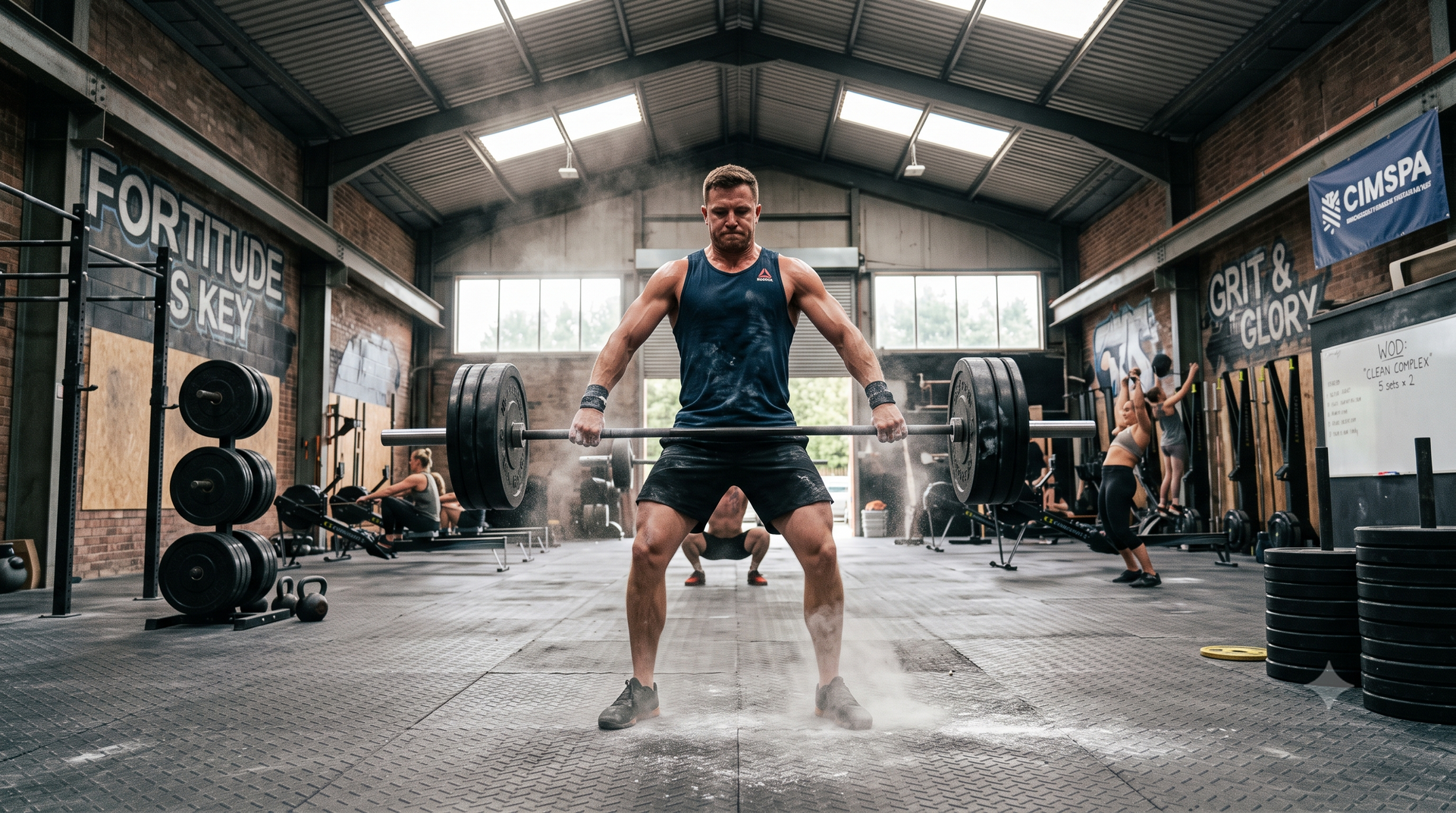
CrossFit and functional fitness facilities occupy a specific space in the Australian fitness landscape high-intensity, community-oriented, technically demanding, and built around movement patterns that combine elements from Olympic lifting, gymnastics, and metabolic conditioning. They are also facilities with a specific insurance profile that a standard gym or group fitness policy does not always address.
The key issue is specificity. A policy declared around 'group fitness' or 'gym operations' may not capture what actually happens during a CrossFit class the barbell cycling, the gymnastics movements, the high-rep Olympic lifting, the contact elements of some training formats. If these activities were not specifically declared, a claim arising from them sits in uncertain territory.
Olympic Lifting and the Technique Instruction Risk
Olympic lifting the clean, the snatch, the overhead squat involves complex multi-joint movements performed under load at speed. When a coach provides specific technique instruction and a client is injured performing the cued movement, the claim that follows is a Professional Indemnity matter the quality of the coaching instruction is what is being challenged, not a general premises incident.
For CrossFit and functional fitness facilities where coaching is a core part of the value proposition, PI is not a supplementary product. It is as essential as Public Liability, and it needs to be in place for every coach who delivers technical instruction on the floor.
The Equipment Dimension
The equipment profile of a CrossFit box barbells, bumper plates, rig systems, kettlebells, rowing and assault bike machines, gymnastics rings and pull-up rigs, wall balls represents significant capital value and a specific equipment liability dimension. A failed carabiner on a ring mount, a damaged barbell that behaves unexpectedly under load, a rig attachment point that gives way these are equipment scenarios specific to the functional fitness environment.
Equipment inspection and maintenance documentation is both a safety practice and an insurance management tool. The inspection log that shows a specific component was last checked on a specific date, by a specific person, with a specific finding, is the evidence that distinguishes a maintained facility from a negligent one if equipment failure gives rise to a claim.
Open Gym and Unsupervised Training
Many CrossFit and functional fitness facilities offer open gym periods where members train independently, without a coach present. This is the 24/7 gym scenario applied to a higher-risk environment complex equipment, technical movements, and no qualified supervisor on the floor.
Confirming that your policy covers open gym periods not just coached class time is essential if you offer unsupervised access. The risk profile of a member performing heavy back squats alone at 6am in a CrossFit facility differs from a member walking on a treadmill, and the insurance should reflect this.
Community Events and In-House Competitions
CrossFit facilities regularly run in-house competitions and community WODs that attract participants from other boxes. These events change the attendance level and the participant profile, and may require event-specific consideration rather than assuming the ongoing class policy covers them.
Disclaimer:
This article contains general information only and does not constitute financial advice or a recommendation for any specific insurance product. Your insurance needs depend on your individual circumstances. Please speak with a qualified insurance professional before making decisions about your coverage.